
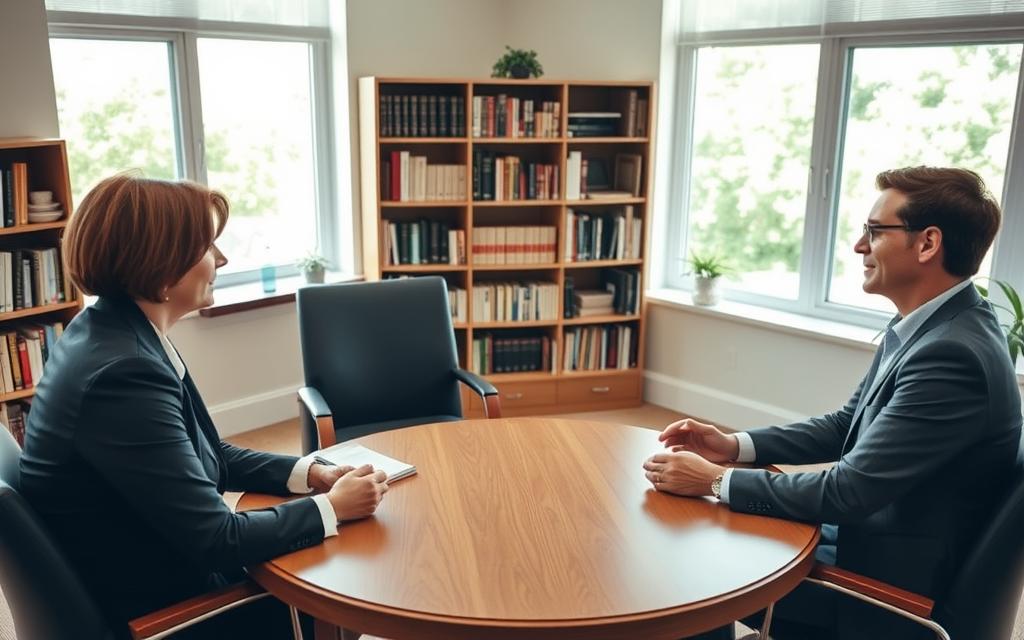
Can divorce be a journey of understanding instead of conflict? The CT Mediation Center in Glastonbury, Connecticut, shows it’s possible. They offer professional divorce mediation services.
Going through a divorce needs compassion and smart advice. A good Glastonbury divorce mediation lawyer can make it a respectful talk. They help solve problems together.
Getting help with divorce doesn’t mean fighting in court forever. It’s a way to solve big family law issues with respect. This way, both sides feel less stressed and save money.
Key Takeaways
- Mediation provides a collaborative alternative to traditional litigation
- Divorce can be approached with respect and mutual understanding
- Professional guidance helps navigate complex emotional and legal challenges
- Mediation empowers couples to make joint decisions
- Reduces overall emotional and financial burden of divorce
What is Divorce Mediation?
Divorce mediation is a kind way to end a marriage. It lets couples handle their legal split themselves. It’s different from fighting in court because it’s about working together.
Understanding Divorce Mediation
Legal Advice Mediation is a way to talk things out with help. A neutral person guides the talks. They help couples deal with tough feelings and legal stuff in a good way.
Key Benefits of Mediation
- It costs less than going to court
- It’s faster to get things settled
- It’s more private and keeps things secret
- Couples get to decide more
- It’s less stressful for everyone
Mediation vs. Litigation: Critical Differences
Mediation is very different from fighting in court. In court, it’s all about arguing and a judge deciding. But mediation is about:
- Working together to solve problems
- Respecting each other and talking well
- Finding solutions that fit the family
- Keeping things good for the future
People who mediate often feel less hurt. They also talk better after the divorce, which is good for kids.
Why Choose Mediation in Divorce Cases?
Divorce can be tough, but mediation helps. It’s a kind way to solve legal issues. It focuses on working together, saving money, and keeping emotions safe.
Financial Considerations
Mediation saves money. It’s cheaper than going to court. Court fights can cost $15,000 to $30,000 per person. But mediation costs only $3,000 to $7,000 for both.
- Lower overall legal expenses
- Reduced court filing fees
- Shorter process means less billable hours
Emotional Well-Being
Mediation helps your mind heal. It keeps things calm and respectful. Lawyer support tips say talking together helps. It makes you feel better and helps you get along after the divorce.
| Mediation Approach | Emotional Impact |
|---|---|
| Collaborative Discussion | Reduced Stress Levels |
| Mutual Problem-Solving | Improved Communication |
| Controlled Environment | Lower Emotional Tension |
Time Efficiency
Mediation makes divorce faster. It’s way quicker than court fights. Mediated divorces can finish in 3-6 months. This means you can move on faster and with less stress and cost.
Role of a Divorce Mediation Lawyer
Divorce mediation lawyers help couples through tough times. They guide them in a way that’s different from going to court. These lawyers use kindness and know-how to help solve problems.
These lawyers need special skills. They help couples talk and solve problems together. They deal with hard feelings and legal stuff during a divorce.
What Divorce Mediation Lawyers Do
- Facilitate open communication between spouses
- Ensure fair and equitable property division
- Help develop a good plan for kids
- Prepare agreements that are legally binding
- Guide through tough talks about money
Essential Skills for Effective Mediation
| Skill Category | Key Characteristics |
|---|---|
| Legal Knowledge | Knows a lot about family law |
| Emotional Intelligence | Can handle stressful talks well |
| Communication | Good at listening and solving conflicts |
| Neutrality | Stays fair and helps both sides |
Choosing the Right Divorce Mediation Lawyer
Finding the right lawyer is key. Look for someone with special training in mediation. They should know a lot about family law and have a good track record.
Here are some things to think about:
- Check if they’re really certified in mediation
- Make sure they have lots of experience in family law
- They should be good at talking and listening
- They should be clear about how much they cost
- They should fit well with how you and your partner like to talk
Choosing the right lawyer can make a big difference. It can make things easier and less stressful for both of you.
Preparing for Mediation
Getting ready for divorce needs careful planning. Start preparing for mediation early. Having the right documents and clear goals helps a lot.
Good mediation starts with good prep. Make sure you have all financial papers. This shows what you own and owe.
Gathering Necessary Documents
Make a detailed financial report. It should include:
- Recent tax returns (past 2-3 years)
- Pay stubs and income proof
- Bank statements
- Info on retirement accounts
- Details on real estate and mortgages
- Titles and loan info for vehicles
- Credit card statements
- Health insurance details
Setting Goals for Mediation
Think about what’s most important to you before mediation. What do you really want? Think about things like:
- Child custody
- Splitting assets
- Financial support
- Keeping finances stable long-term
Understanding the Process
Mediation usually takes 3-6 sessions, each 1.5-2 hours. It starts with finding issues, then negotiating, and ends with a final agreement. Be open and ready to work together.
Good prep makes mediation a chance for good talks and solutions that work for both sides.
The Mediation Process Explained
Going through a divorce can be tough. But, mediation offers a clear way to solve problems. It helps couples find agreements without fighting too much.
Knowing how mediation works helps couples work together better. Tips for divorce talks say to get ready well and talk openly.
Initial Consultation: Setting the Foundation
The first meeting is very important. In this first talk, couples will:
- Meet a neutral mediator
- Talk about their main worries and goals
- Set rules for talking kindly
- Learn about the mediation process
Mediation Sessions: Working Together
Later talks deal with big issues. Couples will tackle things like:
- Splitting up property
- Deciding on child care
- Figuring out money matters
- Sharing debts
Finalizing Agreements: Crafting a Path Forward
The last step is making agreements official. Details are very important to protect both sides. The mediator writes up a detailed agreement for the court.
By following these steps, couples can get through their divorce easier and with less stress.
Common Challenges in Divorce Mediation

Divorce mediation has its own set of challenges. These obstacles need a smart plan and help from experts. Knowing these challenges helps couples get ready and talk better.
Emotional Roadblocks
Emotions can really get in the way during a divorce. People often feel very upset:
- Unresolved anger and resentment
- Deep-seated grief about relationship ending
- Anxiety regarding financial security
- Fear of losing parental connection
Legal divorce help experts know about these feelings. They make a safe place for talking and moving forward.
Communication Barriers
Talking well becomes hard when things fall apart. Some big problems include:
- Defensive communication patterns
- Inability to listen objectively
- Deeply ingrained negative interaction cycles
- Mistrust between partners
Special mediators use special ways to make talking better. They make sure everyone is heard and respected.
Complex Financial Issues
Money talks are a big challenge in divorce mediation. It’s all about:
- Business asset valuation
- Retirement account divisions
- Debt allocation strategies
- Alimony calculations
Getting help with money matters is key. Experts work together to find fair solutions for both sides.
Strategies for Effective Mediation
Getting a divorce is hard. Mediation helps couples solve problems together. It’s less stressful and more collaborative.
Good Family Law Mediation uses special techniques. These help turn fights into chances to understand each other better.
Active Listening Techniques
Good listening starts divorce mediation. Here are some tips:
- Listen without interrupting
- Reflect back what you hear to confirm understanding
- Ask clarifying questions
- Acknowledge your spouse’s perspective
- Separate emotional content from factual information
Staying Focused on Interests
Attorney Consultation shows the difference between what people want and why. Positions are what people demand, while interests explain why they want something. For example, wanting a house might be because of child stability or financial security.
Creative Problem Solving
Mediation lets couples find new solutions. Creative ideas might include:
- Flexible custody schedules
- Innovative property divisions
- Structured financial transitions
- Personalized support arrangements
Using these strategies, couples can make divorce a journey of understanding. It leads to a respectful end.
Legal Considerations in Mediation
Going through divorce mediation means knowing your rights and what might happen. Legal advice mediation helps solve tough divorce problems. It keeps both sides safe.
Understanding Your Rights in Divorce Mediation
Connecticut splits marital assets fairly, not always equally. Courts look at:
- How long you’ve been married
- How much each person earns
- What each person brought to the marriage
- Both people’s ages and health
Importance of Legal Guidance
Having a lawyer in mediation is very important. Lawyers help you understand what agreements mean. Legal representation mediation helps you:
- Look at offers without bias
- Know what a judge might decide
- Keep your legal rights safe
- Make smart choices
Drafting Legally Binding Agreements
Agreements made in mediation must be legal to stick. They need to be written down and approved by a court.
| Requirement | Description |
|---|---|
| Voluntary Agreement | Both sides must agree freely |
| Legal Compliance | Must follow Connecticut laws |
| Court Approval | Family court must agree |
Professional mediators make sure agreements are fair and legal. This helps both sides move forward.
Common Misconceptions About Mediation
Many people don’t know much about family law mediation. They think it’s not helpful for their divorce. This makes their divorce journey harder than it needs to be.
Lawyers say these wrong ideas can change how couples deal with divorce. Let’s look at some common myths about divorce mediation.
Mediation Works Only for Friendly Divorces
This idea is not true. Mediation works for all kinds of divorces. Good mediators:
- Make rules for talking
- Stay neutral
- Help with tough feelings
- Focus on solving problems
Mediation Agreements Lack Legal Standing
Some think agreements from mediation aren’t legal. But, when both sides sign it, it becomes a legal document. It’s as good as any court order.
Mediation is Suitable Only for Simple Cases
Mediation can handle tough cases too. It works for:
- Dividing complex assets
- Disputes over businesses
- Child custody plans
- Divorces that cross international borders
Even tough cases might need extra help. But mediation is usually a better choice than going to court.
Cost of Divorce Mediation
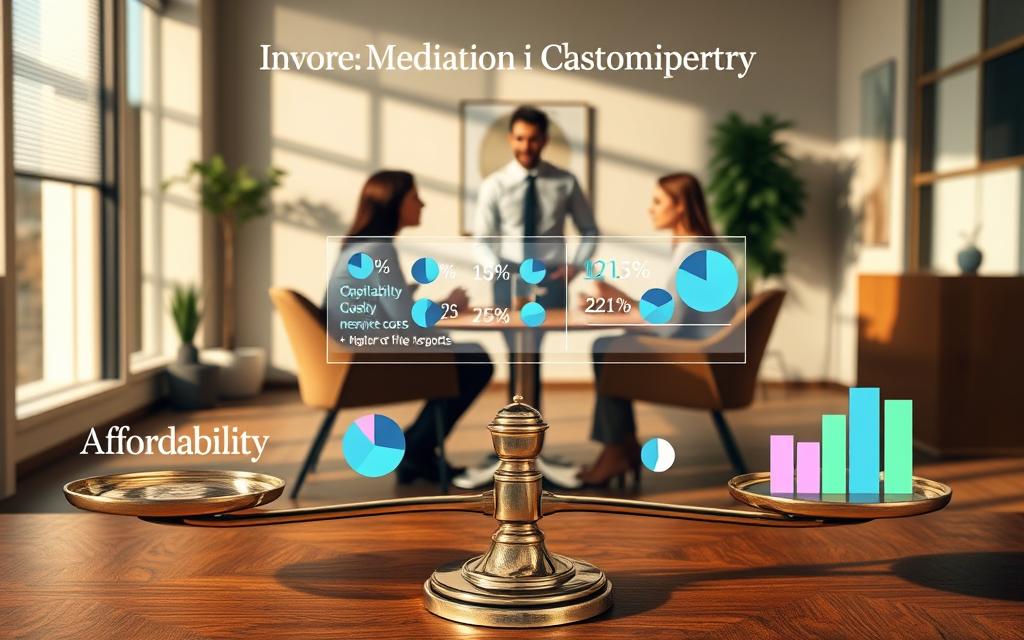
Dealing with divorce money matters can be tough. Mediation is a cheaper way than going to court. It helps couples solve their legal issues without spending a lot.
Comparing Costs with Litigation
Going to court can cost a lot. Court fights often lead to big bills:
- Traditional divorce lawyer fees: $15,000 – $35,000 per party
- Court-related expenses: Additional $10,000 – $25,000
- Expert witness and valuation costs: Variable expenses
But, mediation is much cheaper. It can save couples 80-90% of what they would spend in court. Costs for mediation range from $3,000 to $7,000 for both sides.
Factors Affecting Mediation Costs
Several things can change how much mediation costs:
- Complexity of marital assets
- Number of mediation sessions needed
- How well parties talk to each other
- Need for extra expert opinions
- How complicated custody is
Payment Options
There are many ways to pay for mediation. Most couples split the cost. Hourly rates are $200 to $400. Some places offer payment plans or flat fees for those who can’t pay all at once.
Pro tip: Many couples save a lot by choosing mediation over court fights.
Mediation for Unique Situations
Divorce mediation helps with tough family situations. It offers special ways to deal with complex cases. This way, families can separate with care and smart planning.
Divorce mediation offers special solutions for tough family cases. It’s very important for child custody when usual ways don’t work.
High-Conflict Divorce Strategies
High-conflict divorces need special mediation. It helps manage strong feelings and keeps talks going. Good strategies include:
- Setting clear talk rules
- Using separate rooms
- Shuttle mediation
- Focusing on facts
- Getting help from mental health experts
Child Custody Mediation Approaches
Child custody focuses on what’s best for kids. It covers important points like:
- Who makes big decisions
- Where kids live
- Parenting plans for kids’ age
- Planning for holidays and vacations
International Divorce Mediation Considerations
International divorces are very complex. They involve tricky rules and making agreements work across borders.
| Mediation Type | Key Challenges | Resolution Strategies |
|---|---|---|
| Domestic High-Conflict | Emotional Intensity | Structured Communication Protocols |
| Child Custody | Child’s Best Interests | Comprehensive Parenting Plans |
| International Divorce | Jurisdictional Complexities | Cross-Border Agreement Frameworks |
Professional mediation helps families solve tough divorce cases with respect and smart planning.
The Impact of Mediation on Children
Divorce can be hard on kids, but mediation helps a lot. It’s all about making things easier for them. Child custody guidance is key in helping families through this tough time.

Parents often worry about how divorce will affect their kids. Mediation is a smart way to keep kids safe and stable during big changes.
Maintaining Stability for Kids
Children like things to be the same every day. Good divorce advice helps parents keep things steady:
- Keep daily routines the same
- Don’t change their school plans
- Keep them close to family
- Don’t mess with their friends and activities
Prioritizing Children’s Needs
Mediation puts kids first. It helps parents work together for their kids’ happiness.
- Think about what’s best for their age
- Keep them away from fights
- Help them stay close to both parents
- Teach them how to talk about feelings
Mediation and Parenting Plans
Good parenting plans are vital for kids. Mediation helps make plans that cover everything:
- Where they live
- Who makes big decisions
- How to talk to each other
- Healthcare and school support
With kindness and planning, parents can help their kids get through tough times.
Resources for Divorce Mediation
Going through a divorce can be tough. You need good Family Law Resources to help you. Knowing where to find help can make things easier.
There are many ways to get help with divorce. You can find support centers and lots of educational materials. These resources help you deal with the legal and emotional parts of divorce.
Local Mediation Centers
In Glastonbury, Connecticut, the CT Mediation Center is a top place for Legal Support Divorce. They offer many services like:
- In-person and online divorce mediation appointments
- Collaborative divorce options
- Parenting coordination
- Custody mediation consultations
Books and Guides on Mediation
Here are some books that can help:
- “Getting to Yes: Negotiating Agreement Without Giving In” by Fisher and Ury
- “The Good Divorce” by Constance Ahrons
- “Mom’s House, Dad’s House” by Isolina Ricci
Online Resources and Articles
Online, you can find lots of support for divorce. Check out:
- Connecticut Judicial Branch website
- Association for Conflict Resolution
- American Bar Association Family Law Section
- CT Mediation Center’s educational resources
These online resources give you the knowledge you need. They help you make smart choices during your divorce.
After Mediation: Next Steps
Finishing divorce mediation is a big step in your journey apart. You need to pay close attention to the details and follow the agreed-upon terms. The steps after mediation are important for a smooth transition and a legal agreement.
Implementing the Agreement
Legal support after divorce doesn’t stop with signing papers. Couples must take action to make their agreement official:
- Submit signed agreements to the local family court
- File necessary legal documentation
- Prepare financial affidavits
- Draft proposed parenting plans
Follow-Up Considerations
Divorce settlement guidance goes beyond the first paperwork. Important actions after divorce include:
- Transfer property titles and deeds
- Update beneficiary designations
- Establish separate financial accounts
- Revise estate planning documents
Revisiting Agreements When Necessary
Life changes, and being flexible is key. Mediation offers a way to adjust agreements when big changes happen. Connecticut courts understand that changes are sometimes needed for:
- Child custody adjustments
- Support payment revisions
- Relocation considerations
- Income-related changes
Mediation centers provide ongoing support. They help families deal with post-divorce challenges together and efficiently.
Conclusion: Embracing a Peaceful Resolution
Going through a divorce can be tough. But, choosing mediation can change things for the better. A good Glastonbury divorce mediation lawyer wants more than just legal wins. They aim to help families rebuild with respect and dignity.
Mediation lets families make their own plans. It helps with things like spousal support and dividing property. This way, couples can agree on things that fit their family’s needs. It helps them make smart choices that protect their money and reduce stress.
The Lasting Impact of Compassionate Divorce
Good mediation can lead to lasting good things. Families that talk openly during divorce often do better in the long run. This is true, even when kids are involved. By focusing on understanding each other, couples can turn a hard time into a chance to grow and heal.
Moving Forward with Confidence
Your divorce is not the end of your story. It’s a chance to start anew. Talk to a divorce mediation expert who cares and knows how to help. They can make this hard time a stepping stone to a brighter future.