

Is the high-stress job of policing quietly breaking marriages? Police officers face special challenges that can hurt their relationships. This creates a complex situation that many don’t fully get.
The divorce rate among police officers is a big worry. Many think the tough job of law enforcement always leads to divorce. But, the truth is more complicated. Researchers are working hard to understand the complex issues in police marriages.
To grasp the challenges in police relationships, we need to look at many things. This includes the job’s demands, how well officers handle stress, and their emotional health. Police officers deal with many relationship dangers, from unpredictable work hours to deep emotional stress.
Key Takeaways
- Law enforcement marriages experience unique stressors
- Professional demands significantly impact relationship dynamics
- Mental health plays a critical role in keeping marriages strong
- Supportive resources can help overcome relationship challenges
- Good communication is key to a happy marriage
Overview of Divorce in Law Enforcement
Divorce in law enforcement is a complex issue. It brings emotional and professional challenges. We need to look at many factors that affect police officers and their families.
Understanding Divorce Rates in Context
Police officers face divorce rates that are different from others. They deal with unique pressures that can hurt their relationships. These include:
- Higher stress environments
- Irregular working hours
- Potential emotional detachment
- Exposure to traumatic experiences
Key Factors Contributing to Divorce
Psychological and professional challenges are big reasons for divorce in law enforcement. Some main factors are:
- Chronic work-related stress
- Communication barriers
- Shift work disrupting family dynamics
- Post-traumatic stress possible
Knowing these challenges helps us find ways to keep relationships strong. It’s about understanding the unique pressures. This way, couples can build resilience and find ways to cope.
The Unique Stressors of Law Enforcement
Law enforcement officers face big challenges that most people don’t. They deal with violence and trauma every day. This has a big impact on their minds.
They make quick decisions that can save lives. These decisions are very important.
Job-Related Stress Factors
Police work makes officers build a strong emotional shield. They see the worst of society and carry the burden of keeping everyone safe. This stress builds a “police personality” with traits like:
- Heightened skepticism
- Emotional guardedness
- Authoritarianism
- Hypervigilance
These traits help them survive but make it hard to be close at home. Officers find it tough to leave their work behind. They struggle to talk about their job with their spouses.
Impact of Shift Work on Relationships
Working odd hours adds to the stress. Shifts, overtime, and being on call mess up family life. Spouses often have to handle everything alone.
This can hurt relationships. Studies show that such work can harm both physical and mental health. It’s not because of personal failure but because of the job’s demands.
Comparative Analysis of Divorce Rates
Law enforcement workers face special challenges in keeping their marriages strong. Divorce rates among them show complex issues. These issues are different from other jobs. We need to look closely at stress, personal problems, and how society affects them.
Law Enforcement vs. Other Professions
Studies show law enforcement has higher divorce rates than many jobs. The National Police Foundation did a big study. It found important differences:
- Police officers get divorced about 14.5% more than the average person
- Marriages of first responders are under more stress because of their jobs
- Psychological trauma and working odd hours make relationships harder
Historical Trends in Divorce Rates Among Officers
Looking back, we see changes in law enforcement marriages. These changes come from new work situations and what society expects.
| Decade | Divorce Rate | Contributing Factors |
|---|---|---|
| 1980-1990 | 24% | Limited mental health support |
| 1990-2000 | 35% | Increased job-related stress |
| 2000-2010 | 42% | Extended shift work |
| 2010-2020 | 38% | Enhanced support programs |
Knowing these trends helps us create better help and support for law enforcement marriages.
The Role of Mental Health
Law enforcement officers face special mental health challenges. These challenges affect their personal and work lives. The stress of police work is very high and needs special help and understanding.
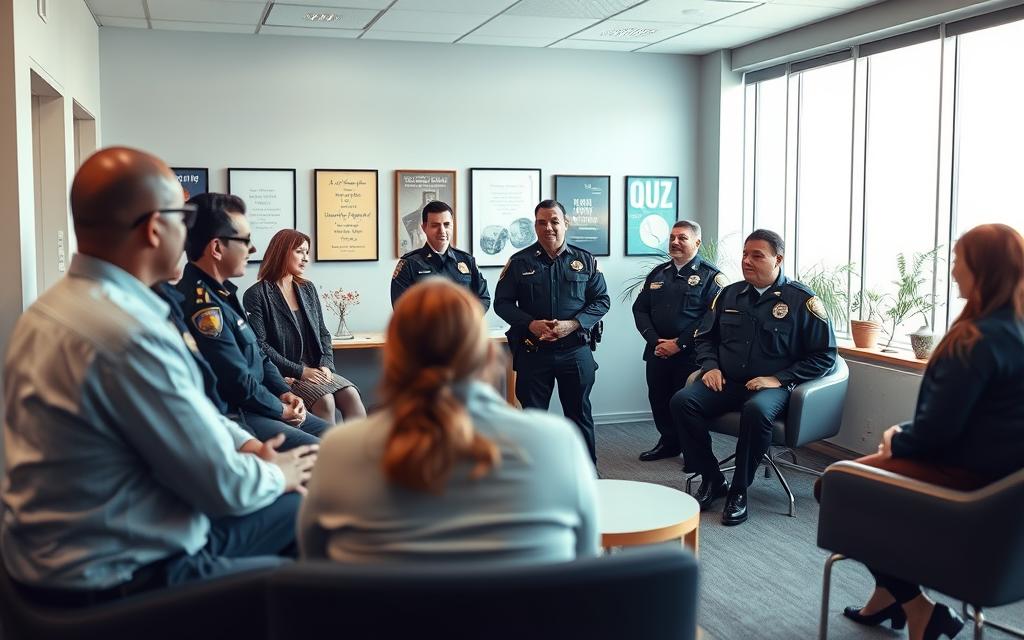
Mental health is key for police officer wellness. But, it’s often ignored. Officers deal with traumatic events, life threats, and strong emotions daily. This can cause a lot of mental strain.
Mental Health Challenges Specific to Officers
- Post-Traumatic Stress Disorder (PTSD)
- Chronic stress and burnout
- Depression and anxiety
- Compassion fatigue
- Sleep disruption from irregular work schedules
Critical Support Resources
Seeing mental health challenges is the first step to healing. Police agencies are now setting up full support programs. These programs help with the complex mental needs of officers.
| Resource Type | Description | Availability |
|---|---|---|
| Confidential Counseling | One-on-one psychological support | 24/7 Access |
| Peer Support Networks | Group discussions with fellow officers | Weekly Sessions |
| Family Support Programs | Counseling for officers and families | Monthly Workshops |
Proactive mental health management is not a sign of weakness. It’s a key strategy for long-term resilience and professional success.
Work-Life Balance Challenges
Law enforcement workers face big challenges in balancing work and life. Their job is very demanding. This affects their personal lives and family a lot. It’s important to understand these challenges to support them.
Scheduling Conflicts and Family Time
Law enforcement schedules mess up family life a lot. Officers deal with many problems that hurt their personal relationships:
- Rotating shifts mess up family routines
- Mandatory overtime ruins family plans
- Unexpected calls interrupt personal time
- Working on holidays and weekends keeps families apart
- Being very tired makes it hard to be there for family
The second shift concept shows how law enforcement spouses handle home and kids. Studies say families feel the job comes first. Some even call the job a “mistress” in the marriage.
Coping Strategies for Officers and Families
To find balance, officers and families need to try hard:
- Make sure family time is safe
- Focus on quality time together
- Stay in touch during work hours
- Make special family traditions
- Use technology to join in family events
- Find friends who understand the job
Even though perfect balance is hard, smart plans can help a lot. Officers and their families must work together to deal with the job’s tough parts.
The Importance of Communication
Communication is key in any strong relationship. It’s even more important for law enforcement couples. Talking well can turn problems into chances to get closer and understand each other better.
Law enforcement marriages need special ways to talk. Spouses must learn new skills to deal with the tough emotions of police work.
Building Effective Communication Foundations
Good communication in law enforcement relationships means a few important things:
- Having regular times to talk without interruptions
- Using “I” statements to share feelings without blaming
- Listening well to each other
- Knowing when to give space to your partner
Advanced Communication Tools
Couples can get better at talking by:
- Creating a common way to talk about stress
- Agreeing on what work stuff to share
- Being supportive even when it’s hard
- Going to couples counseling made for law enforcement families
Studies show that knowing each other’s triggers can help a lot. Communication skills are learned, not inherited. Officers who share their needs can make their relationships stronger.
Conflict Resolution Strategies
When talks get tough, try these tips:
- Take a break when things get heated
- Go back to hard topics when you’re both calm
- Try to fix things during disagreements
Working on communication is a great way to keep your relationship strong. It’s very important in the tough world of law enforcement.
Impact of Peer Support
Law enforcement officers face tough challenges that can hurt their personal lives. Peer support is a key help for them. It’s a network of understanding and strength among officers.
Peer support is more than just being friends at work. It gives officers the emotional and mental help they need. This helps them keep their personal relationships strong.
The Critical Role of Fellow Officers
Fellow officers are very important for keeping relationships healthy. They do this by:
- Understanding the emotional stress of the job
- Sharing ways to deal with relationship problems
- Creating a safe place to talk without fear
- Helping find a balance between work and personal life
Peer Support Program Resources
There are special programs to help law enforcement officers. These programs usually have:
- Private counseling services
- Workshops on relationships
- Training on managing stress
- Opportunities to be mentored by peers
More and more, law enforcement agencies see the value in peer support. They focus on mental health and relationship wellness. This helps officers build better personal connections and deal with their job’s unique challenges.
The Influence of Community and Culture
Law enforcement officers face many challenges. Community views and culture affect their work and home life. This mix of public opinion and personal life is hard for officers and their families.
How people see the police matters a lot to law enforcement families. Bad feelings towards police can add stress to their lives.
Understanding Community Dynamics
Studies show important factors in law enforcement relationships:
- Societal expectations of police conduct
- Media representation of law enforcement
- Local community trust levels
- Regional cultural attitudes toward authority
Cultural Factors Impacting Relationships
Different cultures bring unique challenges for law enforcement couples. Interpersonal communication is key in dealing with these issues.
| Cultural Factor | Potential Relationship Impact |
|---|---|
| Community Trust Levels | Increased Personal Stress |
| Media Perception | Emotional Strain |
| Social Expectations | Communication Challenges |
Knowing these factors helps law enforcement families stay strong. They can keep their personal bonds strong, even with outside pressures.
Strategies for Reducing Divorce Rates
Law enforcement marriages face special challenges. They need special support and proactive management. Knowing these challenges helps build strong, resilient partnerships.
Pre-Marital Counseling and Education
Special pre-marital programs are key for law enforcement couples. Agencies offer programs that focus on police work and relationships.
- Education about shift work and schedule unpredictability
- Exploring communication strategies for managing job stress
- Financial planning for law enforcement careers
- Establishing clear boundaries between work and home life
Couples in these programs learn a lot about law enforcement relationships. Realistic expectations and early preparation can make relationships stronger.
Building Relationship Resilience
Law enforcement couples need strong relationship skills. Good strategies include:
- Cultivating a deep friendship beyond romantic connection
- Maintaining individual identities and interests
- Creating shared meaning and purpose
- Practicing regular gratitude and appreciation
Professional resources and agency support help couples strengthen their bonds. The goal is to see challenges as growth opportunities and keep communication open.
Training and Awareness Programs
Law enforcement officers face special challenges. They need special training for work and personal life. Good training helps them learn important skills for both.
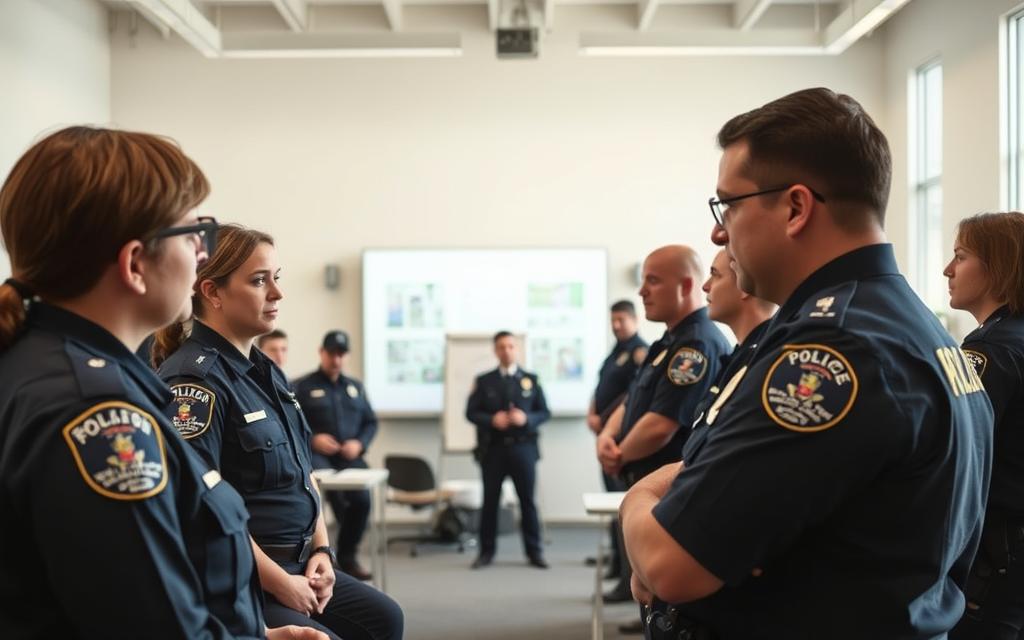
De-escalation training is now key in police education. It teaches officers to lower tension and avoid dangerous situations.
Key Benefits of De-escalation Training
- Improved communication skills
- Enhanced emotional intelligence
- Reduced stress in high-pressure situations
- Better conflict resolution techniques
Impact of Training on Personal Relationships
Training gives officers tools for better personal relationships. Learning to control emotions and communicate better at work helps at home too.
| Training Area | Personal Relationship Impact |
|---|---|
| Active Listening | Improved spousal communication |
| Stress Management | Reduced emotional volatility |
| Conflict Resolution | More effective problem-solving |
Police departments in the U.S. are now focusing on training that helps officers in all areas of life. This way, they can keep their personal lives strong and avoid divorce.
Legal and Financial Implications of Divorce
Divorce is tough for police officers. It has many legal and money issues to deal with. Police work is very stressful, which can hurt a marriage.
Police divorces are different from others. They deal with special things like pensions and job benefits. This makes things more complicated.
Typical Legal Processes for Officers
Police officers going through divorce face many legal issues:
- Keeping their job and skills safe
- Dealing with rules from their department
- Handling problems with their work friends
- Keeping their personal info secret
Financial Considerations in Divorces
Money matters a lot for police officers in divorce. They have to think about their retirement and how to split it. They also might have to pay alimony.
| Financial Element | Potential Impact |
|---|---|
| Pension Division | Big impact on money later on |
| Potential Alimony | Depends on how long they worked and how much they made |
| Asset Distribution | Needs special care for job-related stuff |
Getting help from a lawyer is key. They help make sure things are fair and right for both sides.
Case Studies and Personal Accounts
Law enforcement marriages face big challenges but also show great strength. They need special ways to deal with work and family life.
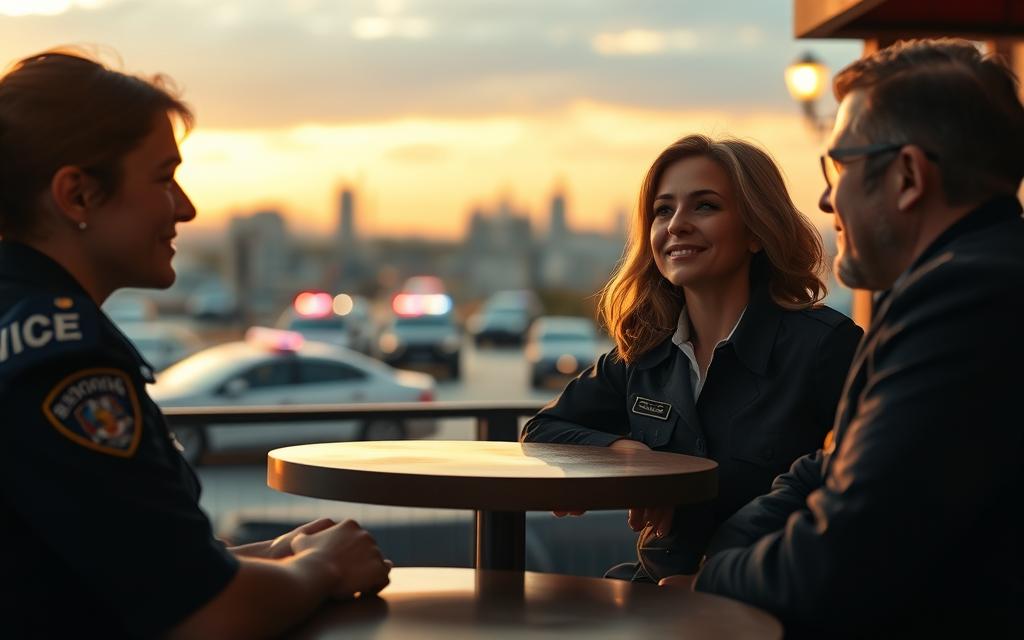
Success Stories in Law Enforcement Marriages
Couples who talk well early on stay strong. Good law enforcement marriages have key traits:
- Officers who make family time a priority
- Spouses who keep their own jobs and support their partner
- Clear lines between work and home
- Strong support from other law enforcement families
These couples go to counseling when things get tough. They keep their marriages strong by respecting each other and sharing values.
Lessons from Challenging Marriages
Failed law enforcement marriages teach us important lessons:
| Relationship Challenge | Potential Impact |
|---|---|
| Emotional Distance | Officer becoming closed off |
| Communication Breakdown | Partners drifting apart |
| Untreated Mental Health Issues | Relationship strain |
| Financial Stress | Increased relationship tension |
Many divorces come from many small problems adding up. Early help, support, and talking can help keep law enforcement marriages strong.
Research Findings and Surveys
Law enforcement workers face special challenges. Recent studies give us important insights into their personal and work lives.
Studies show us the complex sides of police marriages and job happiness. There are no data to show law enforcement hurts marriages a lot. But, some places have different divorce rates.
Recent Studies on Law Enforcement Divorce Rates
A study in California found something interesting about police families:
- Census data showed a 61% divorce rate for police families
- A survey in Midwestern suburbs found officers feeling:
- Low emotional exhaustion
- Moderate to high personal accomplishment
- Nearly 60% said they were “very satisfied” with their job
Key Statistics and Findings
Many studies show police officers are very strong:
- In a study of 540 shooting survivors, only two claimed workers’ compensation for mental issues
- A study of nearly 1,000 officers found over 80% unchanged in job satisfaction after shootings
- About 40% of officers said they were “very happy” at work
These findings challenge old ideas about police mental health and relationships. They show the real strength and ability of police officers.
Conclusion and Future Directions
Law enforcement marriages face big challenges. They need strong support and early help. Making work places friendly for families is key.
Starting peer support groups and spouse groups is very helpful. It helps officers and their families feel connected.
Training leaders to spot officer stress is important. It helps create a culture that cares about family. Giving couples tools to handle police work is also vital.
Collecting data on officer and family health is important. It helps find and fix problems early.
Mental health experts need special training for police families. They should make services easy to get and keep them private.
Leaders should give more money for family help. They should also fix big problems like too much work.
Law enforcement marriages can do well with the right help. Officers can have strong families and careers. We need to work together to make this happen.