

Are you ready to tackle the complex world of Jewish divorce law? It’s not easy, but with the right help, you can get through it. Divorce is tough, and adding religious rules makes it even more complicated.
Jewish divorce needs special legal help. Jewish Divorce Lawyers are key in this area. They know how to handle both the legal and religious sides of getting a divorce.
Getting a divorce is more than just ending a marriage. It’s about keeping religious traditions, protecting your rights, and moving forward smoothly. The right lawyer can guide you through this tough time.
Key Takeaways
- Jewish divorce involves both civil and religious legal processes
- Specialized legal representation is critical for complete divorce resolution
- Understanding Get requirements is essential for a complete divorce
- Cultural competence matters in Jewish divorce proceedings
- Legal experts can help minimize emotional and financial stress
Understanding Jewish Divorce Law
Jewish divorce law mixes old traditions with modern legal rules. It’s not just about ending a marriage. It’s a special process in the Jewish community.
The Jewish way of ending a marriage is very spiritual and important. At the heart of this is the get. It’s a key document that changes a marriage.
Overview of Jewish Divorce (Get)
A get is a special paper written in Aramaic. It legally ends a Jewish marriage. It’s more than just a piece of paper:
- Written in traditional Aramaic language
- Signed by two qualified witnesses
- Provides religious permission to remarry
- Rooted in biblical commandments from Deuteronomy
Halakhic Process Explained
The Halakhic divorce process has its own steps. A Beth Din (rabbinical court) watches over it. They make sure both sides follow the rules.
Differences from Civil Divorce
Jewish divorce is different from civil divorce. A civil divorce ends a marriage legally. But a get is needed to end it spiritually in the Jewish world.
- Civil divorce handles legal separation
- Religious get addresses spiritual dissolution
- Both documents may be necessary for complete separation
Importance of Hiring a Jewish Divorce Lawyer
Going through a Jewish divorce is complex. You need a lawyer who knows the special rules. They help with both the religious and legal parts of divorce.
Finding the right lawyer is key. They know more than just law. They understand Jewish divorce too.
Expertise in Jewish Law
A Jewish divorce lawyer knows a lot:
- They know all about Get (Jewish divorce document) rules
- They get how Beth Din works
- They can handle both civil and religious divorce
- They know all the religious legal details
Navigating Legal Complexities
Jewish divorce has its own special problems. Lawyers need a special plan:
| Legal Challenge | Professional Approach |
|---|---|
| Uncooperative Spouse | Strategic court actions |
| Religious Documents | Working with rabbinical groups |
| Dividing Property | Following both religious and legal rules |
Mediation vs. Litigation
Lawyers can suggest the best way to go:
- Mediation: It’s peaceful
- Litigation: For tough cases
- They might mix both for you
Choosing a Jewish divorce lawyer is smart. They protect you and help you get through divorce smoothly.
Types of Jewish Divorce
Divorce in the Jewish community has many paths. These paths mix religious rules with legal steps. Couples face different choices, each with its own rules for ending a marriage.
Traditional Religious Divorce (Get)
The Get is key in Jewish divorce. It has its own rules, unlike civil divorces. Important parts include:
- Rabbinical court (Beth Din) involvement
- Formal written document prepared by a specialized scribe
- Voluntary participation from both husband and wife
- Specific ceremonial requirements for document delivery
Civil Divorce Options
Jewish couples in the U.S. deal with both religious and civil laws. Civil divorce plans are:
- Uncontested divorce
- Mediated settlements
- Litigation through family court
- No-fault divorce proceedings
Collaborative Divorce Approach
Collaborative divorce is a special way. It follows Jewish laws but aims for peace. It uses lawyers trained in this method to find solutions outside court.
Using good Divorce Strategy Tips means knowing both religious and legal sides. Talking to experts in Jewish divorce law can guide couples through these complex steps.
The Role of a Get in Jewish Divorce
Understanding Jewish divorce means knowing about the Get. This important document is key in Jewish divorce. It’s more than just a legal split.
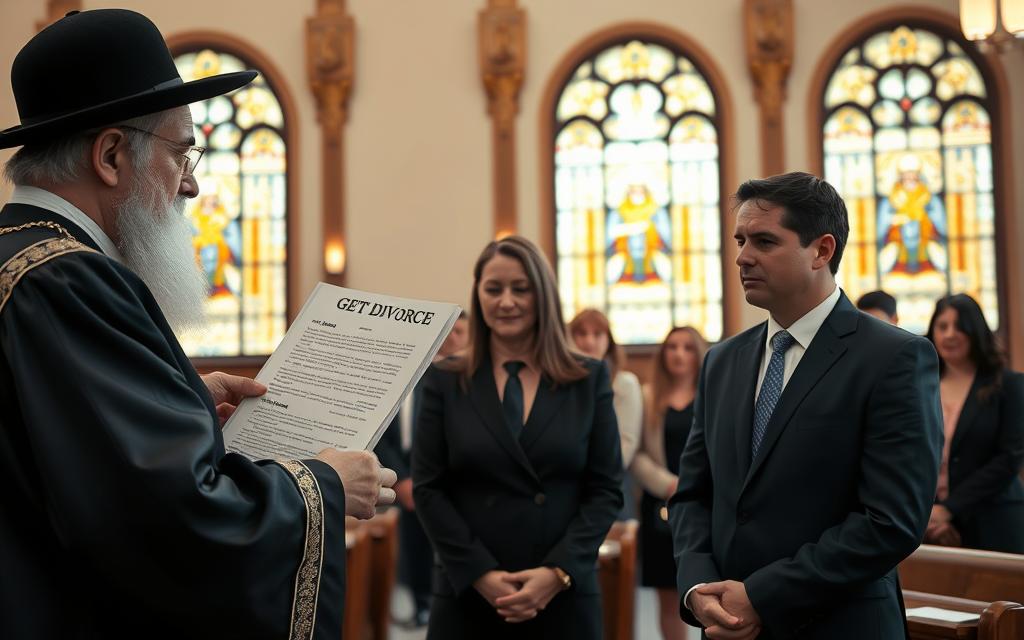
A Get is a special religious divorce paper. It’s very important in Jewish law. Unlike regular divorces, the Get needs its own special rules and rituals.
Definition and Significance
The Get is written in Aramaic by a trained scribe. It’s not just any paper:
- It legally ends a Jewish marriage
- The husband must give it willingly
- The wife must accept it willingly
- It’s recognized by Jewish communities
Process of Obtaining a Get
Getting a Get involves important steps:
- The husband goes to the Beth Din (Jewish court)
- A scribe makes the official document
- Witnesses who know Jewish law sign it
- A formal ceremony is held
- The wife must accept the Get willingly
Consequences of Not Securing a Get
Not getting a Get can cause big problems. A woman without a Get can’t marry in the Jewish community. She might become an agunah or “chained woman”, unable to marry again.
It’s important to understand Jewish divorce rules. Getting help from experts can make this process easier.
Common Challenges in Jewish Divorce
Going through a Jewish divorce is tough. It’s not just about separating. It’s about dealing with emotions, money, and laws too. Knowing these challenges helps people get ready for their divorce.
Divorce has its own special problems. Couples need to plan carefully. They must also respect their faith and culture.
Financial Considerations
Money talks in Jewish divorce. Spousal Support Advice is key for fair sharing. Some big money issues are:
- Figuring out the value of shared things
- Splitting retirement accounts
- Understanding what the ketubah means for money
- Valuing businesses
Child Custody Issues
Child Custody Guidance is very important in Jewish divorce. Parents must make tough choices. They think about education, culture, and spirituality.
- Deciding who the kids live with
- Setting up visit times
- Keeping kids connected to Jewish ways
- Handling different religious levels
Emotional and Social Implications
Jewish divorce affects more than just laws. People deal with how others see them, healing, and finding peace.
The Days of Awe are hard for divorcing couples. It’s a time for thinking and forgiving. This time can be very tough for those seeking peace.
Finding the Right Jewish Divorce Lawyer
Finding a good Jewish divorce lawyer is key. They help a lot with your divorce’s legal and emotional parts. Getting good advice is very important.
When picking a lawyer, think about a few things. They should know about both civil and religious divorce laws.
Key Tips for Selecting an Attorney
- Verify specialization in Jewish family law
- Check credentials with local Beth Din
- Review past case experiences
- Assess communication skills
- Confirm cultural competence
Critical Questions During Initial Consultation
- How many Jewish divorce cases have you handled?
- What is your understanding of Get requirements?
- Can you navigate both civil and religious legal systems?
- What is your approach to mediation?
| Evaluation Criteria | Important Considerations |
|---|---|
| Legal Expertise | Specialized knowledge in Jewish divorce law |
| Community Understanding | Respect for cultural and religious nuances |
| Communication | Clear, compassionate, and responsive |
Cultural competence is what makes a great Jewish divorce lawyer. They know the law and the community’s feelings. They help a lot during your divorce.
Ask people you trust for lawyer names. Then, talk to them a lot. This way, you’ll find the best lawyer for you.
Costs Associated with Jewish Divorce Lawyers
Dealing with money in a Jewish divorce can be tough. Legal Advice Jewish experts know how complex it is. They help with clear info on costs for legal help.
Getting to know the money side of Jewish divorce needs looking at many things. These things affect how much lawyers charge.
Factors Influencing Legal Fees
- Attorney’s professional experience and reputation
- Geographic location of legal practice
- Complexity of the divorce case
- Need for specialized Jewish legal expertise
- Potential involvement of Beth Din proceedings
Average Costs for Services
| Divorce Type | Typical Cost Range | Key Characteristics |
|---|---|---|
| Uncontested Divorce | $3,000 – $7,000 | Minimal complications, mutual agreement |
| Contested Divorce | $15,000 – $50,000 | Complex asset division, custody disputes |
Payment Structures and Options
Jewish divorce lawyers have different ways to pay:
- Hourly billing
- Flat fee for uncontested divorces
- Retainer arrangements
- Flexible payment plans
- Potential pro bono services through Jewish legal aid organizations
People looking for Legal Advice Jewish for divorce should talk about payment during the first meeting. This helps understand what they might pay.
Child Custody and Support in Jewish Divorce
Handling child custody and support in a Jewish divorce is complex. It needs both legal and religious thought. Getting good advice is key to making sure kids are okay and family values are kept.
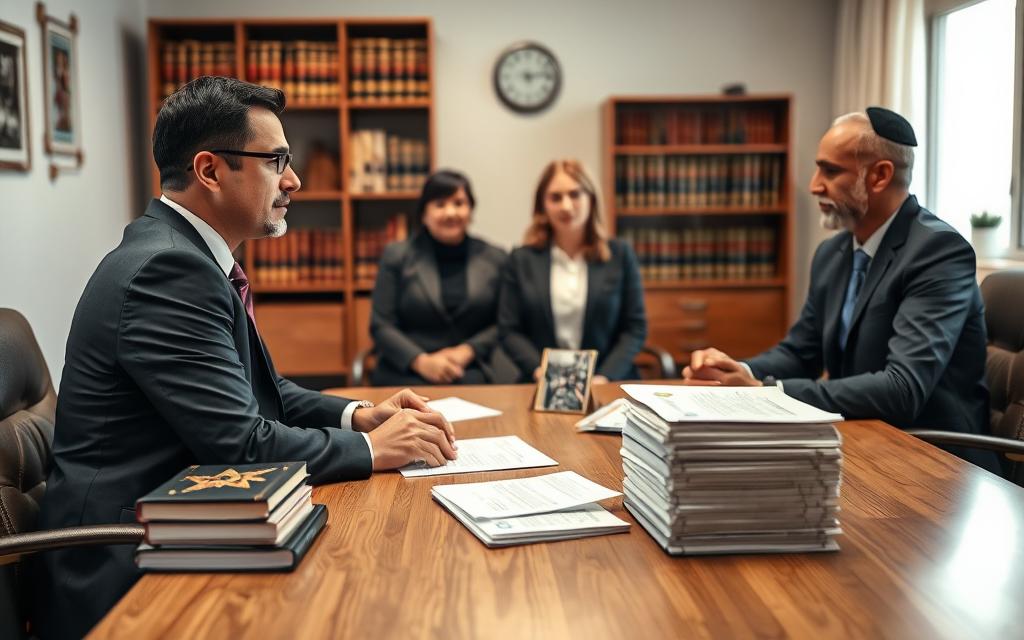
Experts say knowing the special issues in Jewish divorce cases is vital. They help parents deal with the unique challenges.
Custody Arrangements in Jewish Law
Today, Jewish divorce focuses on what’s best for the child. It’s not just about who gets to keep them. Jewish law looks at:
- Age of the child
- Who takes care of them most
- What they need for religious learning
- How they feel and think
Understanding Child Support Obligations
Figuring out child support in Jewish divorces follows state rules. But it also looks at extra costs in Jewish communities:
| Expense Category | Typical Costs |
|---|---|
| Jewish Day School Tuition | $10,000 – $25,000 annually |
| Hebrew School | $1,500 – $3,000 annually |
| Bar/Bat Mitzvah Preparation | $2,000 – $5,000 |
Role of Mediation in Custody Disputes
Mediation is a way to solve custody issues together. Good mediators help parents make plans that honor their faith and care for their kids.
The aim is to find a way for parents to work together. This helps the child grow up with Jewish values.
The Process of Filing for Divorce
Going through divorce steps can be hard. It’s even harder when you have to follow both civil and religious rules. Knowing the steps helps you feel more ready and clear.
Starting a divorce needs careful planning. The steps to file for divorce include many important parts. You must pay close attention to each one.
Initial Divorce Preparation
Before you start, you need to get all your important papers ready. The steps to prepare for divorce include:
- Collecting financial records
- Organizing personal documents
- Talking to a divorce lawyer
- Thinking about who will take care of the kids
Legal Filing Requirements
The steps to file for divorce change from state to state. But, they usually involve:
- Checking if you live in the right place
- Picking the right reason for divorce
- Writing and filing the first paper
- Giving the papers to your spouse
Timeline Expectations
How long a divorce takes can vary. It can be 3-6 months for simple cases. But, it can take 12-24 months for more complicated ones. The time it takes depends on many things.
Having a good divorce lawyer can make things easier. They can help you deal with any problems that come up.
Jewish Divorce and Property Division
Dividing property in a Jewish divorce is tricky. It’s important to know the law well. This helps in preparing for divorce and dividing property wisely.

Divorce means dealing with money matters carefully. It’s not just about adding and subtracting numbers. It’s about planning and strategy.
Community Property vs. Separate Property
In the U.S., there are two main ways to divide property:
- Community Property States: Nine states split assets 50/50
- Equitable Distribution States: The rest divide fairly
Equitable Distribution Principles
Courts look at many things when dividing:
- How long you were married
- Your earning power
- What you both brought to the marriage
- What you’ll need financially in the future
- Your age and health
Dividing Assets in a Jewish Context
Jewish divorce has its own rules. Assets like synagogue memberships need special legal help. Jewish divorce lawyers know how to handle these issues.
Good tips for dividing property include keeping good financial records. Also, know the legal and religious sides of splitting assets.
Impact of Divorce on the Jewish Community
Divorce in the Jewish community is a big deal. It’s not just about the legal stuff. Family Law Resources help a lot during these tough times. The way the community handles divorce is changing, understanding the unique struggles of those going through it.
Divorce can be complicated, with different views in different Jewish groups. It’s key to know these cultural differences when looking for Legal Support Guidance during this big change.
Social Stigmas and Community Perceptions
Older Jewish communities often saw divorce as shameful. But now, things are getting better. The journey of divorce is tough, with many challenges:
- Potential social isolation
- Concerns about community standing
- Anxiety regarding future relationship prospects
- Impact on children’s social interactions
Support Systems for Divorced Individuals
Today’s Jewish communities offer strong support for those going through divorce. They have:
- Rabbinical counseling services
- Professional therapy with cultural sensitivity
- Divorce support groups
- Community center programs
Community Resources and Healing
Jewish tradition focuses on healing and growing. Rosh Hashanah is a time for new starts. It shows that divorce can lead to personal growth and hope.
New support groups and caring community views are changing how divorce is seen. They offer help and guidance through tough times.
Emotional Support During Divorce
Going through a Jewish divorce is more than just legal steps. It’s a tough emotional journey that needs lots of support and ways to cope. A good Legal Checklist for divorce should include help for your mental health and feelings.
Divorce can make you feel very emotional. It can affect your life in many ways. It’s important to understand and handle these feelings to heal and move on.
Counseling and Therapy Resources
Getting help from mental health professionals is key to getting over divorce. They use special ways to help you deal with your feelings:
- Individual therapy to help with personal grief
- Family counseling for kids to adjust
- Divorce coaching for emotional tips
Importance of Support Groups
Meeting others who are going through the same thing helps a lot. Divorce Legal Aid often suggests joining support groups as a big help.
- Sharing experiences makes you feel less alone
- Getting advice from others who understand
- Creating new friends
Managing Stress and Anxiety
Using simple ways to handle stress can make you feel better during divorce:
- Keep a regular sleep schedule
- Try mindfulness meditation
- Stay connected with friends and family
- Do things that make you happy
Healing takes time. Being kind to yourself and getting help from experts is important for getting through this big change in your life.
Legal Rights of Women in Jewish Divorce
Jewish divorce is tough for women. They face legal and religious challenges. They need lawyers who know both laws well.
Women’s rights are key in Jewish divorce. They need help to be treated fairly.
Women’s Rights Under Jewish Law
Women’s rights in Jewish divorce are complex. They include:
- Right to seek legal representation specialized in Jewish law
- Protection against unilateral divorce decisions
- Access to Beth Din (Jewish religious court) proceedings
- Support in obtaining a religious divorce (get)
Protections Against Discrimination
Today, Jewish law fights against unfair treatment. It has:
- Prenuptial agreements that protect women’s divorce rights
- Community pressure on husbands who refuse to grant a get
- Legal interventions to prevent religious marriage imprisonment
Role of Advocacy Groups
Many groups help women in Jewish divorce. They offer:
- Legal counseling
- Community support
- Advocacy against discriminatory practices
- Resources for navigating complex divorce proceedings
Women facing Jewish divorce can find help. They have legal advice and community support.
Post-Divorce Considerations
Life after divorce needs careful planning and emotional strength. Healing and rebuilding are tough but possible. Getting help with Divorce Settlement Guidance and Legal Support Guidance can make a big difference.
Moving Forward After Divorce
Rebuilding your life after divorce is a big job. Here are some important steps:
- Update legal documents like wills and who gets what if you die
- Open new bank accounts
- Start new routines to help you heal
- Find new friends and support groups
Importance of Finalizing All Agreements
Legal help is key to finishing all divorce papers. Important things include:
- Make sure the divorce is officially over
- Get the Get done right through Beth Din
- Make sure property changes are recorded
- Follow the rules for custody and support
Rebuilding Life and Relationships
Guidance for moving on suggests a careful plan:
| Area of Focus | Recommended Actions |
|---|---|
| Personal Identity | Work on your own goals and try new things |
| Social Connections | Make friends and join in community events |
| Co-Parenting | Stay respectful and put your kids first |
Healing is a journey for you. Be patient, kind to yourself, and open to change.
Preparing for Divorce Mediation
Divorce mediation is a way to solve legal problems together. It’s a better choice than fighting in court. Good Divorce Strategy Tips help couples find solutions that work for both.
Insights into Mediation Process
A neutral person helps couples talk things out. This way, they can make their own plans. Good Case Strategy Tips include:
- Maintaining open communication
- Focusing on shared interests
- Remaining flexible and patient
- Prioritizing children’s well-being
Tips for Effective Communication
Good communication is key in mediation. Couples should:
- Gather all financial documents
- Know what they really want
- Listen well
- Keep emotions in check
What to Expect During Mediation
Mediation has many sessions to cover all divorce details. Expect a place where everyone talks respectfully and works together. Mediators guide through tough talks on money, kids, and property.
FAQs About Jewish Divorce Lawyers
Going through a Jewish divorce can be very complex. Jewish divorce lawyers help with both the legal and religious parts. They offer tips and support during this time.
Many ask about the Get, a key document in Jewish law. It’s needed for religious remarriage. It’s important for understanding the process and any challenges.
Some think civil divorce is enough. But, Jewish law might need more steps. Lawyers can explain these differences and help with rights and duties.
Getting legal help is very important in Jewish divorce. Lawyers can guide on Get needs, dividing property, and community issues. It’s good to ask detailed questions to find the right lawyer.
Understanding the Basics
Legal experts in Jewish divorce give important tips. They help understand the mix of religious and legal rules. They support clients all through the divorce.
Dispelling Common Myths
There are many myths about Jewish divorce. Lawyers can clear up these misunderstandings. This helps people make good choices about their divorce and future.
Finding Additional Resources
There are many groups that help with Jewish divorce. Places like Jewish community centers and legal aid offer support. They help understand legal and religious options.