

Are you trying to figure out divorce and need a good lawyer? Wondering how to find one who gets you?
Finding the right divorce lawyer is very important. It can change your legal journey a lot. When looking for a local divorce attorney, many people get lost in the search.
Looking for a divorce lawyer near you needs smart research and thought. Local lawyers know the courts and laws in your area well.
This guide will help you find the best divorce lawyer for you. We’ll show you how to make a smart choice during this tough time.
Key Takeaways
- Local divorce attorneys offer key local legal knowledge
- Knowing your legal needs is very important
- Being close to your lawyer is important too
- Good research helps find the right lawyer
- Getting along with your lawyer is key
- First meetings give you important clues
- Don’t just look at cost
Understanding Divorce Law
Divorce is complex and needs a good grasp of legal rules. It’s a part of family law that deals with ending marriages. It affects both individuals and families a lot.
What Is Divorce Law?
Divorce law sets rules for ending marriages. It covers important topics like splitting assets, deciding custody, and who pays what. A family law lawyer is key in understanding these rules, as they vary by state.
Key Terms in Divorce Proceedings
- Petitioner: The spouse who starts the divorce.
- Respondent: The spouse who gets the divorce papers.
- Marital Property: Things bought during the marriage that get divided.
- Decree: The final court document that ends the marriage.
The Importance of Legal Representation
Getting legal advice from a family law lawyer is very important. They help understand rights, protect money, and guide through tough times.
Changes to the Divorce Act happened on March 1, 2021. These changes affect how family law cases are handled. It’s vital to work with lawyers who know these new rules.
People going through divorce should find a lawyer who knows local laws well. The right lawyer can help get a fair divorce deal.
Why You Need a Divorce Lawyer
Going through a divorce can feel very hard and confusing. Having a lawyer helps protect your rights and guides you. They give important tips that can really help your case.
Divorce has many tough parts that you can’t handle by yourself. Lawyers do more than just give advice. They help keep your rights and feelings safe.
Complexities of Divorce Proceedings
Divorce has many legal steps that can get very complicated. These include:
- Complex documentation requirements
- Strict court filing deadlines
- Negotiation of property division
- Child custody arrangements
- Financial settlements
Protecting Your Rights and Assets
A good divorce lawyer keeps your money safe by making sure:
- Property is divided fairly
- Spousal support is fair
- Retirement accounts are protected
- You’re not taken advantage of financially
Emotional Support During Divorce
Lawyers give you critical emotional stability during tough times. They handle tough talks and negotiations. This lets you focus on healing while they handle the legal stuff.
Experienced divorce lawyers do more than just represent you. They offer advice, a clear view, and caring support all through your divorce.
Determining When to Hire a Divorce Lawyer
Going through a divorce is complex. It needs careful planning and expert advice. Knowing when to get a lawyer can change your divorce journey and future.
Signs You Need Legal Assistance
Knowing when to get a lawyer is key in divorce planning. Some situations need legal help right away:
- Contested child custody disputes
- Significant marital assets or complex financial portfolios
- Potential hidden financial resources
- Domestic violence concerns
- Uncooperative spouse behavior
Timing Your Consultation
Getting legal advice early is wise. The best times are:
- Before filing for divorce
- Right after getting divorce papers
- When big relationship problems start
Emotional Readiness for Seeking Help
Getting legal advice is a big step. It doesn’t mean you’re definitely getting a divorce. It helps you know your rights, collect important papers, and plan your divorce.
| Consultation Stage | Key Objectives |
|---|---|
| Initial Meeting | Understanding legal rights and possible outcomes |
| Document Preparation | Gathering financial records and personal documents |
| Strategy Development | Creating a divorce plan that fits you |
Legal advice brings clarity in a tough time. It helps you make smart choices about your future.
Types of Divorce Options
Going through a divorce means knowing your choices. Getting help with divorce settlement can guide you. Each option has its own good and bad sides, affecting your case.
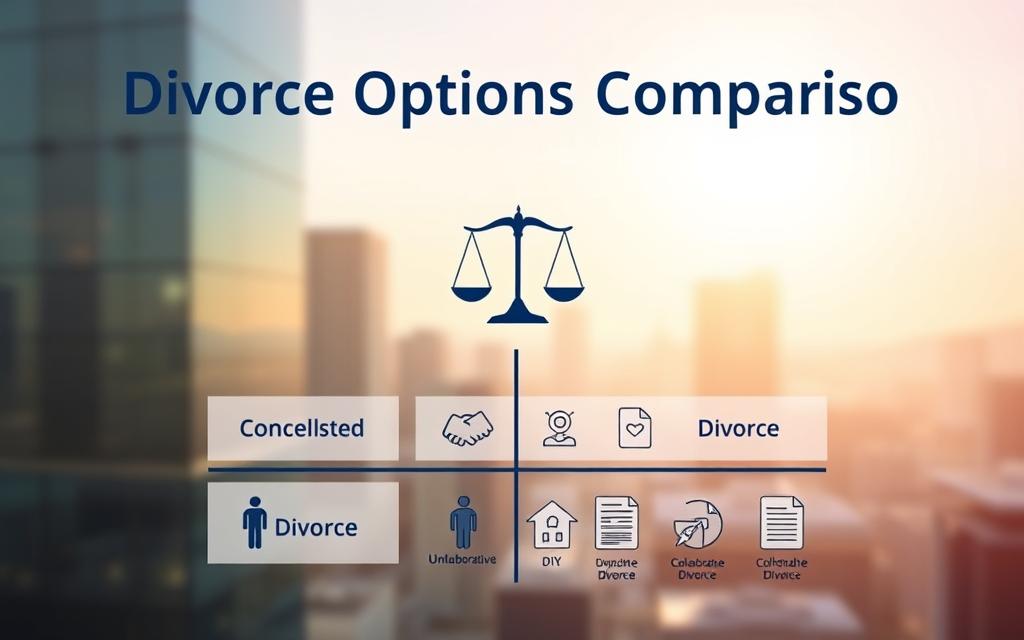
Contested vs. Uncontested Divorce
First, you need to know about two main types of divorce:
- Uncontested Divorce: Spouses agree on big things like who gets what and custody.
- Contested Divorce: When big disagreements need a judge’s help.
Mediation vs. Litigation Approaches
Deciding between mediation and litigation depends on several things:
| Mediation | Litigation |
|---|---|
| Collaborative process | Formal court proceedings |
| Lower cost | Higher legal expenses |
| Less adversarial | More confrontational |
Collaborative Divorce: A Modern Alternative
Collaborative divorce is a new way to solve disputes without court. It includes:
- Lawyers who focus on this method
- Financial experts
- Child specialists
- Divorce coaches
Choosing the best divorce option needs thought. You must consider your situation, how you talk, and if you can agree.
How to Start Your Search for a Divorce Lawyer
Finding the right divorce lawyer can be tough. A smart plan will help you find the best lawyer for you.
First, know what you need from a lawyer. Think about how complex your case is and your personal situation.
Identifying Your Specific Legal Requirements
Look at your divorce situation closely. Think about these important things:
- How complicated dividing assets is
- Child custody issues
- How likely it is to disagree with your spouse
- How much money you have to spend
Leveraging Personal Referrals
Getting advice from people you trust is very helpful. Talk to:
- Friends who have been through a divorce
- Family members who know about law
- Professionals like therapists or financial advisors
Exploring Online Directories and Reviews
| Resource | Key Benefits |
|---|---|
| State Bar Association Directories | Verified professional credentials |
| Legal Matching Services | Specialized attorney recommendations |
| Online Review Platforms | Client experiences and ratings |
When looking at online reviews, be careful. Look for common themes in feedback. Use many sources to get a full picture of lawyers.
Questions to Ask During Consultations
Going through a divorce needs careful planning, starting with your first lawyer talks. Good Divorce Consultation Tips can help you get the most out of these meetings. This way, you can make smart choices about who will help you.
This is your chance to check out different lawyers and get a feel for your case. Asking the right questions can give you important information.
Essential Legal Questions to Ask
Here are some important questions to ask:
- How long will my divorce take?
- What might happen in my case?
- What plan do you suggest for my situation?
- How will we keep in touch during the case?
Assessing Experience and Specialization
It’s important to know if the lawyer knows what they’re doing. Ask these questions:
- How long have you been practicing family law?
- What part of your work is divorce?
- Have you dealt with cases like mine before?
- Do you know the local courts well?
Understanding Fees and Costs
| Fee Category | Typical Details |
|---|---|
| Retainer Amount | $2,500 – $10,000 |
| Hourly Rate | $250 – $500 |
| Payment Plans | Available for most clients |
Remember, your first meeting is a chance for both of you to decide if it’s a good match. It’s not just about getting info. It’s about finding the right lawyer for your divorce.
Evaluating Qualifications of Divorce Attorneys
Finding the right divorce lawyer is important. Your Family Law Resources can help you choose wisely. This is a big decision during a tough time.
Choosing a lawyer for divorce needs careful thought. A Legal Checklist can help you check off important steps. It guides you in finding the right lawyer.
Checking Credentials and Licensing
It’s key to check if a lawyer is qualified. Here’s what to do:
- Confirm state bar association membership
- Check current licensing status
- Review any disciplinary records
- Validate specialized certifications in family law
Understanding Experience and Expertise
Look beyond basic qualifications. Check their experience:
- Years of specific divorce case experience
- How often they handle divorce cases
- Success in trials and negotiations
- Staying up-to-date with family law
Reading Client Testimonials
What others say can help a lot. Look for patterns in reviews. They often talk about:
- How well they communicate
- How they solve cases
- How professional they are
- How happy clients are
By looking at these things, you can pick a lawyer who fits your needs.
Costs Associated with Hiring a Divorce Lawyer
Going through a divorce can be tough on your wallet. Knowing what legal costs are helps you get ready for filing divorce locally. It also helps you manage your steps better.
Typical Fee Structures Explained
Lawyers have different ways to charge:
- Hourly Rates: Most common method, ranging from $150-$500 per hour
- Flat Fees: Fixed price for uncontested divorces
- Retainer Agreements: Upfront deposit against future legal work
- Unbundled Services: Pay for specific legal tasks
Additional Expenses to Anticipate
There are more costs to think about:
- Court filing fees
- Process server charges
- Financial expert consultations
- Mediation expenses
- Potential expert witness costs
Smart Budgeting for Legal Costs
Planning ahead can help with costs. Ask for cost estimates at first meetings. Look into payment plans and unbundled services to save money. Knowing what to expect helps you make smart choices during your divorce.
Local lawyers might offer clearer prices. They can also help with local filing needs. This could lower your legal costs.
Location: Finding a Nearby Divorce Lawyer
Finding the right Divorce Lawyer Around Me is key. Being close to your lawyer is very important. It helps a lot during tough divorce times.
Choosing a lawyer who knows the local courts is smart. They can give you the best advice. Local lawyers have special skills that help a lot.
Importance of Local Knowledge
Local divorce lawyers have big advantages:
- They know the local courts well.
- They understand what judges like.
- They have good relationships with court staff.
- They know special laws in your area.
Online Tools to Find Lawyers Near You
Finding a good local lawyer is now easier online:
- Use state bar association directories.
- Look on legal websites with location filters.
- Try Google Maps search.
- Check legal networking sites.
Community Resources and Bar Associations
Local groups can help you find a great lawyer:
| Resource Type | Contact Method | Potential Help |
|---|---|---|
| County Bar Association | Referral Services | Matched Attorney Recommendations |
| Legal Aid Organizations | Phone/Online Consultation | Low-Cost Legal Guidance |
| Courthouse Self-Help Centers | In-Person Assistance | Initial Case Evaluation |
Spending time to find a local divorce lawyer is worth it. It can really help your case.
Understanding the Divorce Process
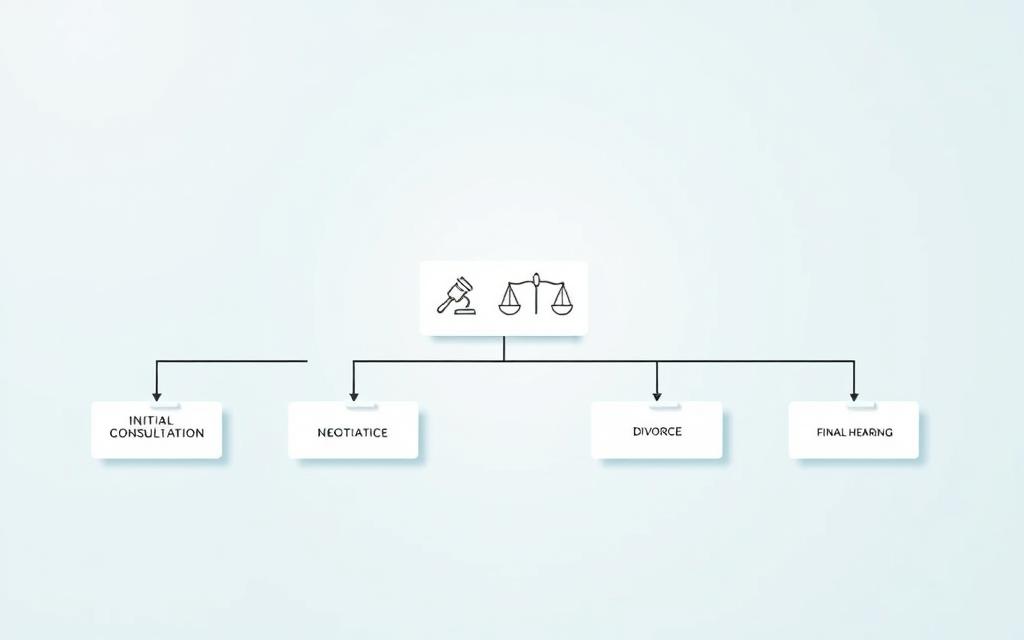
Going through a divorce is like trying to find your way in a big maze. Getting help with the divorce process can make things clearer. It helps you know what to expect and get ready for what’s coming.
Getting ready for your divorce case is important. It involves many steps that change based on your situation and where you live.
Steps Involved in Divorce
The divorce process has some main steps:
- File initial divorce petition with local court
- Serve divorce papers to your spouse
- Respond to the initial petition
- Negotiate asset division and child custody
- Attend mandatory mediation sessions
- Finalize divorce decree
Timeframe for Divorce Proceedings
How long a divorce takes can really vary. Uncontested divorces might be quick, taking just a few months. But, complex cases can take a year or more. Things that affect how long it takes include:
- State-mandated waiting periods
- Complexity of asset division
- Child custody negotiations
- Court scheduling and backlog
Differences by State Laws
Divorce laws are different in every state. Some states make you wait longer, while others are faster. Important differences are in how property is split, what reasons you need for divorce, and how child support is figured out.
Having a local lawyer who knows your state’s laws is very helpful. They can guide you through the divorce process and help you understand the legal steps.
Preparing for Your First Meeting with a Lawyer
Going through a divorce needs careful planning. Your first talk with a divorce lawyer is very important. Good planning can help make the most of this meeting.
Make a detailed legal checklist before your first meeting. This will help you remember important things about your divorce case. Being organized and having all your papers ready can also help you get better advice.
Essential Documents to Bring
- Marriage certificate
- Financial records (tax returns, bank statements)
- Property deeds and vehicle titles
- Prenuptial or postnuptial agreements
- Recent pay stubs and income verification
- Retirement and investment account statements
- Outstanding debt documentation
- Child-related documents (birth certificates, school records)
Crafting Your List of Questions
Make a list of questions for your meeting. Focus on important topics like:
- Potential legal strategies
- Estimated timeline for proceedings
- Expected costs and fee structures
- Potential challenges in your specific case
- Likely outcomes based on your circumstances
Setting Clear Consultation Objectives
Know what you want before you meet your lawyer. Be ready to talk about what’s most important to you, like child custody and money matters. Knowing your goals will help your lawyer give you better advice.
The Role of a Divorce Lawyer in Mediation
Mediation is a way to solve divorce problems without fighting. It helps families deal with tough legal times in a better way. Couples work together with help from experts, finding solutions that work for both.

Benefits of Mediation
Mediation has many good points for couples getting a divorce:
- It costs less than going to court
- Disputes get solved faster
- Couples have more say in what happens
- Talks are private
- It’s less stressful
How Lawyers Facilitate Mediation
Lawyers are key in mediation. They give advice and look out for their clients. They help with:
- Understanding legal rights
- Getting ready documents
- Looking at settlement offers
- Making sure talks are fair
Preparing for Mediation Sessions
To do well in mediation, you need to prepare. Here’s what to do:
- Get all financial papers ready
- Know what’s most important to you
- Think of ways to compromise
- Stay calm and focused
Mediation is a smart choice instead of going to court. It’s a way for couples to work together and find solutions without fighting.
The Impact of Divorce on Children
Divorce is hard for kids. They face legal and emotional challenges. Parents must put their kids first and handle custody and support.
Legal Custody Considerations
When parents split, child custody is key. Courts aim to find the best setup for the child. There are a few options:
- Sole Custody: One parent makes all the decisions
- Joint Custody: Both parents share duties
- Shared Custody: Kids spend a lot of time with each parent
Child Support Guidelines
Child support is tied to spousal support. States use rules to figure it out. They look at:
- How much each parent makes
- How many kids there are
- Who gets custody
- Other costs for the kids
Co-parenting Strategies
Good co-parenting needs effort and talking. Important steps include:
- Having the same rules at both homes
- Not fighting in front of kids
- Helping kids stay close to both parents
- Keeping talks respectful and about the kids
With smart child custody advice, parents can lessen the hurt. They help their kids stay emotionally strong.
What to Do If You Can’t Afford a Lawyer
Going through a divorce can be tough on your wallet. Many people worry about the cost of lawyers. But, there are ways to get legal help without spending a lot.
Knowing about Family Law Resources can really help. It means you don’t have to face legal challenges alone, even if you can’t pay for a lawyer.
Legal Aid Options
Local legal aid groups offer big help to those who can’t afford a lawyer. They provide:
- Free legal talks
- Legal help based on how much you make
- Prices that change based on your income
- Special help for people in tough spots
Pro Bono Services
Many lawyers and law schools give free legal services to those who qualify. These services include:
- First meetings to talk about your case
- Help with making legal documents
- Help in court for harder cases
Payment Plans and Alternatives
There are creative ways to deal with legal costs during a divorce:
- Getting help with just parts of your case
- Plans to pay for legal services over time
- Online tools to make legal documents
- Help from court self-help centers
Looking into these Divorce Legal Aid and Family Law Resources can help you find legal support that fits your budget.
Red Flags When Choosing a Divorce Lawyer
Finding the right divorce lawyer is key. During your first meeting, watch for warning signs. These can help avoid legal and money problems. Lawyer tips say to pay close attention during these meetings.
Warning Signs During Initial Consultations
Good divorce lawyers show certain traits in the first meeting. Look out for these important red flags:
- Interrupting or not listening to your worries
- Making promises they can’t keep about your case
- Talking badly about other lawyers or judges
- Seeming unprepared or distracted
- Not explaining their plan clearly
High-Pressure Sales Tactics to Avoid
Good lawyers let you make your own choices. Be careful of those who:
- Want you to sign papers right away
- Try to scare you into making a quick choice
- Put down other lawyers
- Make you feel like you have to act fast
Understanding Fee Transparency
It’s important to know how much you’ll pay. Lawyer support tips say to check the fees carefully. Watch out for these red flags:
- Not giving you a written fee agreement
- Being unclear about how they charge
- Not wanting to talk about extra costs
- Getting defensive when you ask about money
Trust your gut during legal talks. A lawyer who is open and listens will likely help you more in your divorce.
Post-Divorce Legal Considerations
Divorce doesn’t end when the final decree is signed. You need to pay close attention to legal matters after divorce. Understanding your rights and what you must do is key.
Support orders and custody plans can change if your life changes a lot. Courts can adjust these if needed. It’s smart to keep records of big changes in your life or your child’s life.
Even after divorce, you’re connected legally if you have kids. It’s important to update important documents like wills and financial accounts. Knowing about taxes and getting financially independent is also important.
There are ways to protect your rights if your ex doesn’t follow court orders. State agencies can help with things like garnishing wages. Being informed and active helps you handle legal matters after divorce.