
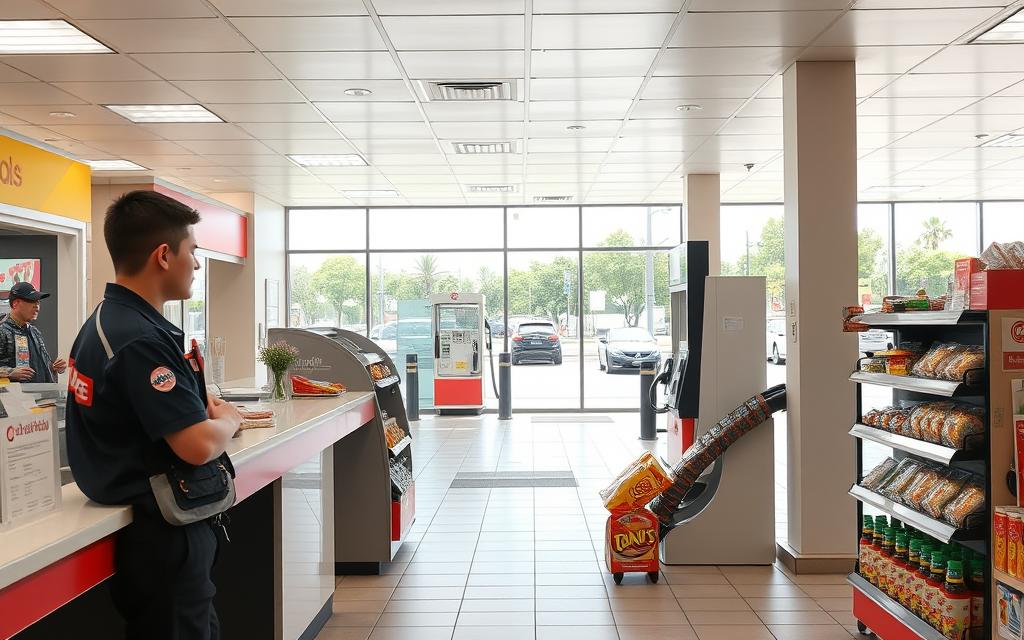
Ever wondered why some gas stations won’t hire teens while others welcome younger applicants? The answer isn’t as straightforward as you might think. Age requirements for these roles depend on state laws, job responsibilities, and even the policies of major chains like Chevron or Walmart.
Federal labor laws set baseline rules, but many states add stricter regulations. For example, selling alcohol, tobacco, or lottery tickets often requires workers to be at least 18. Positions involving heavy machinery or late-night shifts may also have higher age thresholds. Brands like Exxon Mobil and Shell typically prefer applicants over 18, though some locations hire younger staff for limited roles.
Entry-level jobs, such as cashiers or attendants, usually have fewer restrictions. However, managerial duties or handling cash transactions often demand greater maturity and compliance with labor standards. Always verify local laws and employer policies before applying—these factors shape opportunities more than you’d expect.
Key Takeaways
- Age requirements vary by state and specific job duties at gas stations.
- Major brands like Chevron often set minimum hiring ages at 18.
- Selling alcohol, tobacco, or lottery tickets typically requires workers to be 18+.
- Entry-level roles may have fewer restrictions than managerial positions.
- Always check both federal and state labor laws for clarity.
Understanding Age Requirements at Gas Stations
Legal age thresholds for fuel service roles create a complex landscape for job seekers. Federal guidelines set a baseline of 14 for non-hazardous work, but state laws frequently override these standards. Retailers must navigate overlapping regulations that change at every state line.
Federal and State Labor Laws
The Fair Labor Standards Act permits limited employment at 14, but state-specific rules often restrict opportunities. For example, Texas mandates workers be 16+ for cashier roles, while Ohio allows 15-year-olds with school permits. Major chains like Shell typically enforce 18+ policies for all positions due to alcohol sales requirements.
New Mexico illustrates unique challenges. State law requires employees handling alcohol to be 21 unless supervised by someone over 21. This creates staffing complexities for 24-hour locations without overnight managers.
Age Restrictions for Selling Regulated Products
Selling age-restricted items involves stricter compliance. Data from the Alcohol Policy Information System shows 38 states require workers to be 18+ to sell tobacco or lottery tickets. California and Illinois mandate 21+ for tobacco sales, creating discrepancies between state laws and corporate policies.
These variations create confusion for applicants. A 19-year-old might qualify for fuel pump maintenance in Florida but be ineligible for cashier roles in Minnesota liquor stores. Employers often adopt the strictest applicable standard to ensure legal compliance.
Job Qualifications and the Path to Employment
Fuel service careers offer diverse opportunities requiring different skill sets. While some roles need only basic competencies, others demand specialized training or education. Understanding these requirements helps applicants match their skills to available positions.
Entry-Level Roles and Minimal Requirements
Cashier and attendant positions often require no formal education. Basic math skills and reliability typically suffice. Data shows 42% of employers prioritize customer service experience for these roles.
Training usually occurs on-site, lasting 1-3 months. Retail chains like OXXO USA hire sales associates without diplomas. These positions serve as gateways to more complex responsibilities.
Additional Education and Experience Expectations
Supervisory roles demand higher qualifications. 48% of managers hold high school diplomas, while 18% have bachelor’s degrees. Retail business diplomas can accelerate promotions at brands like Chevron.
Leadership skills become crucial for assistant managers. Walmart often requires 2+ years’ experience for these positions. Advanced roles may involve inventory management and staff training.
Variations Among Different Gas Station Brands
Corporate policies create distinct career paths. Chevron favors applicants with administrative education for office roles. Shell prioritizes technical skills for equipment maintenance positions.
| Position | Education | Experience | Average Salary |
|---|---|---|---|
| Cashier | None | 0-6 months | $25,725 |
| Assistant Manager | High School Diploma | 2+ years | $38,400 |
| District Manager | Bachelor’s Degree | 5+ years | $67,800 |
Career progression depends on combining hands-on experience with formal education. Brands like Exxon Mobil offer tuition reimbursement programs to support employee growth. This investment often leads to faster promotions within the organization.
how old do you have to be to work at a gas station: Essential Insights
Major fuel retailers shape career opportunities through distinct corporate guidelines. While most follow state labor laws, brand-specific rules often add extra layers to hiring decisions. These variations determine which roles become accessible at different ages.
Corporate Variations in Minimum Age Standards
Chevron’s policy requires customer service representatives to be 18+ nationwide, even in states allowing younger workers. Walmart sets similar standards but pairs them with tuition assistance programs for employees pursuing business degrees. These structured benefits often attract older applicants seeking long-term growth.
Smaller chains sometimes differ. Stations without convenience stores occasionally hire 16-year-olds for pump maintenance or lot cleaning. However, roles involving cash transactions or inventory management still require workers to meet state-specific adult thresholds.
- Shell: 18+ for all positions due to alcohol sales
- 7-Eleven: 16+ for non-registered product roles
- Kwik Trip: 17+ with restricted shift hours
Supervisory positions almost universally demand candidates be 21+. This aligns with multi-location business management standards requiring advanced decision-making skills. Always review a company’s official employment eligibility criteria before applying—these documents provide critical information about role-specific age limits.
Conclusion
Navigating employment age regulations in the fuel retail sector requires balancing multiple factors. Federal laws provide a foundation, but state-specific rules and corporate policies often dictate actual hiring practices. Brands like Chevron and Shell typically set minimum ages at 18+, especially for roles involving regulated products or equipment operation.
Entry-level positions may offer flexibility, with some chains hiring at 16 for basic tasks. Managerial roles demand higher thresholds, often requiring candidates to be 21+ for supervisory responsibilities. Walmart and Exxon Mobil exemplify this pattern, pairing age requirements with skill development programs.
Always verify specific age requirements for gas station through official job postings. Combining legal awareness with brand research ensures applicants meet all criteria while identifying growth opportunities in this evolving industry.