

What if your home is putting your health at risk? Many renters face hazards like mold, broken utilities, or structural damage but feel powerless to act. Understanding your rights as a tenant is the first step toward reclaiming safety and peace of mind.
Unsafe living conditions refer to issues that threaten health or safety, such as pest infestations, toxic materials, or faulty electrical systems. These problems violate the implied warranty of habitability, a legal standard requiring landlords to provide livable spaces. While laws vary by state, every renter deserves basic protections.
Before taking legal action, review local regulations. California, for example, mandates prompt repairs for hazards like lead paint or plumbing failures. Documenting issues through photos and written requests strengthens your case if disputes escalate.
Key Takeaways
- Tenants have legal rights to safe housing under habitability laws.
- Landlords must address hazards like mold or broken utilities promptly.
- State-specific guidelines determine what qualifies as unsafe conditions.
- Evidence such as repair requests and photos supports legal claims.
- Compensation may cover medical bills, rent refunds, or relocation costs.
- Consulting a lawyer clarifies your options for resolving disputes.
This guide outlines practical steps to address housing hazards while navigating complex rental laws. Learn how to protect yourself and hold property owners accountable—without unnecessary stress.
Understanding Unsafe Living Conditions and Health Hazards
Residential hazards often lurk in plain sight, from crumbling structures to invisible airborne threats. These issues fall into two categories: physical dangers that cause immediate injury risks and health hazards that trigger long-term medical complications.
Defining Physical and Health Risks
Physical safety hazards include unstable staircases, water leaks near electrical systems, or cracked windows. These defects create accident-prone environments. Health risks involve mold colonies in damp areas, rodent droppings contaminating food supplies, or carbon monoxide leaks from faulty appliances.
Lead-based paint in older buildings and asbestos insulation also qualify as severe threats. Both materials release toxic particles into the air when deteriorating. Tenants might notice peeling walls or dusty ventilation systems as red flags.
Recognizing Early Warning Signs
Persistent musty odors often signal mold growth. Frequent circuit breaker trips could indicate overloaded wiring. Cockroach sightings or unexplained bite marks may point to pest infestations requiring urgent treatment.
Documentation matters. Date-stamped photos of cracks, water damage, or insect activity strengthen repair requests. Keep copies of all communication with property managers about these concerns.
Tenant Rights and Legal Obligations in the United States
Renters across the U.S. hold powerful legal protections through the implied warranty of habitability. This principle requires property owners to provide housing that meets basic health and safety standards. It applies to all residential leases, even if not explicitly stated.
Landlords must ensure rental property systems like plumbing, heating, and electrical work properly. They’re also responsible for addressing pest infestations, structural damage, and toxic hazards. Failure to act could constitute negligence, especially if injuries or illnesses result.
What qualifies as reasonable steps? Courts often expect:
- Emergency repairs within 24-48 hours
- Major issues resolved in under 30 days
- Documented communication about repair timelines
Tenants may have legal recourse if landlords ignore repeated requests. However, renters must follow laws regulations specific to their state. Some areas allow withholding rent temporarily, while others require formal complaints to housing authorities first.
Always consult local tenant rights organizations before taking action. Understanding these rules helps avoid unintended lease violations while holding property owners accountable.
How to Sue My Landlord for Unsafe Living Conditions
Building a strong case against a negligent property owner hinges on specific legal criteria. Courts require clear proof that unresolved hazards directly compromised tenant safety or health. Three pillars typically determine outcomes: documented negligence, measurable harm, and adherence to procedural rules.
Critical Components for Court Success
Demonstrating negligence involves showing the landlord knew about hazards but failed to act. For example, ignored repair requests or delayed maintenance timelines can prove liability. Judges often look for patterns of neglect rather than isolated incidents.
Compensation claims typically cover two categories:
- Economic damages: Medical bills, temporary housing costs, or reduced property value
- Non-economic impacts: Pain, suffering, or emotional distress linked to the hazards
Common issues include landlords claiming tenants caused damage or alleging proper repairs were made. Counter these arguments with time-stamped photos, inspection reports, and witness statements. Expert testimony from contractors or doctors often strengthens claims about hazard severity.
Always file within your state’s statute of limitations—usually 2-4 years—to avoid dismissal. Organize evidence chronologically to show how negligence escalated risks over time.
Gathering Evidence and Documenting Hazardous Conditions
Courts demand concrete proof—not just complaints—when evaluating housing disputes. Building a compelling case requires organized documentation that shows hazards existed and landlords ignored repair obligations. Three elements form the foundation: visual records, third-party accounts, and paper trails.
Collecting Photographic and Video Evidence
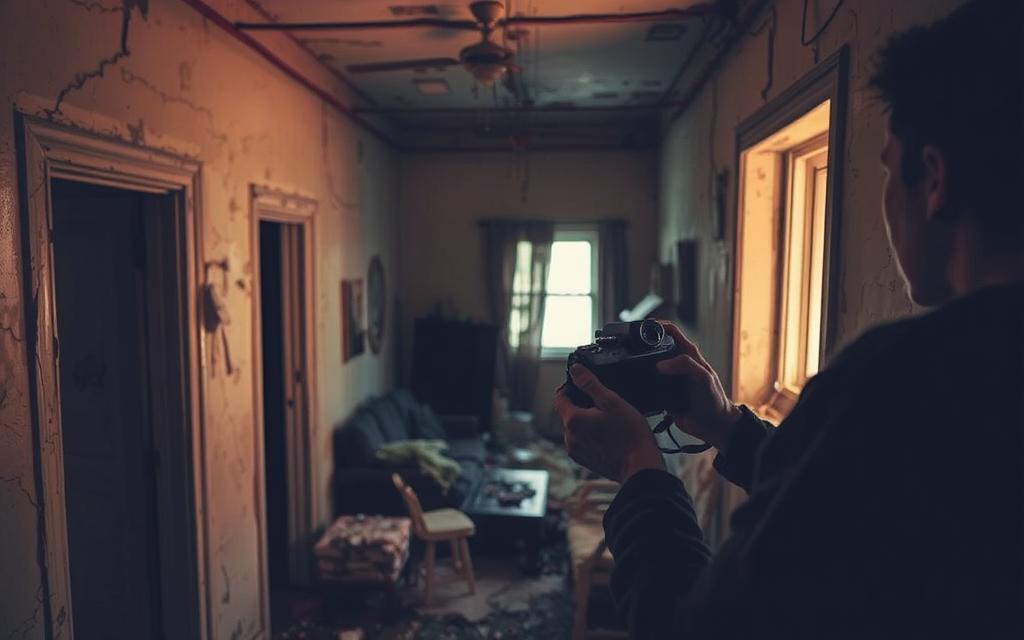
Capture time-stamped photos and videos of hazards from multiple angles. Focus on date stamps and clear visuals of issues like mold clusters or exposed wiring. Use cloud storage to preserve original files with metadata intact.
Tenant rights groups recommend:
- Filming entire rooms to show hazard context
- Including newspapers or calendars in shots to verify dates
- Updating visuals weekly if problems persist
Securing Witness Statements and Communication Logs
Neighbors, contractors, or health inspectors can provide sworn statements about hazardous conditions. Collect their contact details and written accounts of what they observed. One tenant secured a settlement using statements from three neighbors about a collapsing ceiling.
Maintain a communication log tracking:
- Dates of repair requests
- Landlord responses (or lack thereof)
- Copies of certified mail receipts
Send formal notices via certified mail and save delivery confirmations. This creates legal proof that property owners received warnings about risks.
Navigating State-Specific Regulations and Local Laws
From earthquake retrofitting to toxic material disclosures, state laws dictate landlord responsibilities in surprising ways. These regulations form a complex web of requirements that directly impact rental property conditions. Tenants must understand regional variations to enforce their rights effectively.
Regional Variations in Property Safety Rules
California mandates seismic upgrades for older buildings in earthquake zones. Landlords must install gas shut-off valves and secure water heaters. New York requires written asbestos disclosures for pre-1978 properties. Florida enforces sinkhole risk assessments in high-probability counties.
| State | Key Regulation | Landlord Responsibility |
|---|---|---|
| California | Earthquake safety retrofits | Structural reinforcements by 2030 |
| New York | Asbestos inspection reports | Provide tenant disclosures annually |
| Florida | Sinkhole insurance disclosures | Share geological surveys at signing |
| Texas | Mold remediation standards | Hire licensed contractors for cleanup |
Tenants should follow three procedures when addressing hazardous conditions:
- Review local housing codes through municipal websites
- Request written confirmation of completed repairs
- Contact state health departments for unresolved issues
Both parties must stay updated on changing regulations. Some cities add lead paint testing rules beyond state minimums. Landlords who ignore these updates risk fines and lawsuits. Always verify compliance through official channels before signing leases.
Safely Notifying Your Landlord of the Unsafe Conditions
Effective communication transforms housing hazards into actionable solutions. Written notifications create legal proof that property managers received notice of risks. This process protects renters if disputes escalate.
Drafting a Formal Complaint and Repair Request
Follow these steps to document hazards professionally:
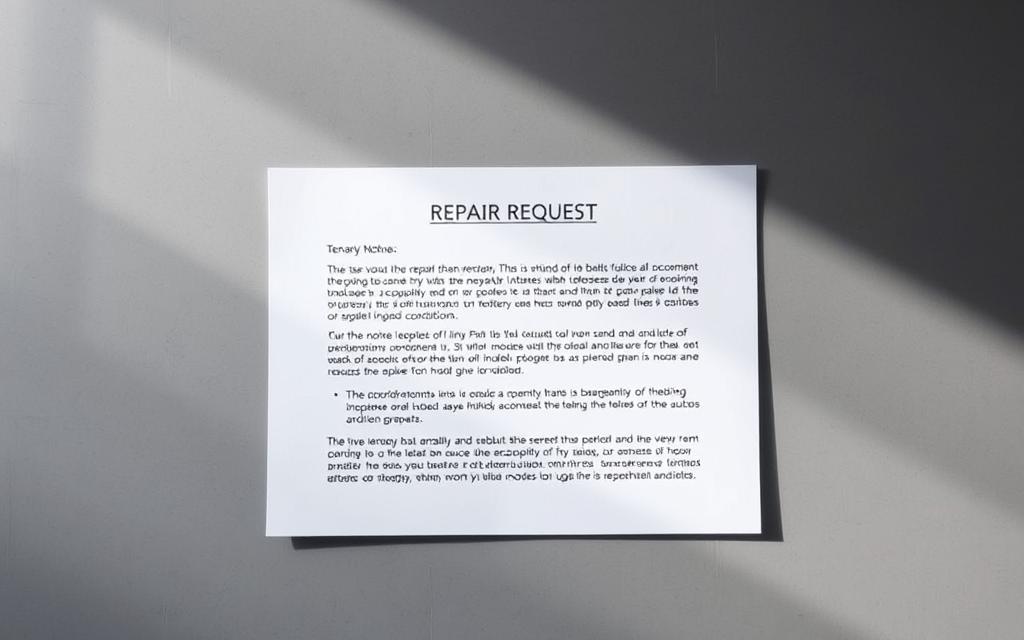
- Label correspondence “Formal Repair Request” with today’s date
- Describe each hazard’s location and health impacts
- Specify necessary repairs like mold remediation or wiring fixes
- Set a 14-day deadline for resolution
- Include photo printouts or inspection reports
Maintain a respectful tone while clearly stating safety concerns. Example: “The bathroom ceiling leak has caused persistent mold growth, requiring professional remediation to prevent respiratory issues.”
| Letter Component | Purpose | Example |
|---|---|---|
| Hazard Description | Identifies risks | “Kitchen outlet sparks when used” |
| Repair Instructions | Guides action | “Replace faulty circuit breaker” |
| Evidence Attachment | Supports claims | Dated mold photos |
| Response Deadline | Sets timeline | “Complete by March 15, 2024” |
Have a witness review your letter before sending. Neighbors or tenant advocates can confirm its clarity. Send via certified mail and save the return receipt.
Track every interaction in a communication log. Note call times, email responses, and repair attempts. This record becomes critical evidence if you later need legal support.
Preventative Measures: Inspections and Regular Maintenance
Proactive property care stops minor issues from becoming major hazards. Routine checks and scheduled upkeep create safer spaces while reducing long-term costs for both residents and property managers.
Why Scheduled Inspections Matter
Quarterly walkthroughs catch problems early. Look for water stains under sinks, loose railings, or peeling paint. These signs often point to hidden risks like leaks or structural weaknesses.
Landlords should document findings with photos and checklists. Tenants can request inspection summaries to stay informed. Shared transparency builds trust and accountability.
Maintenance Best Practices
Address repairs within 72 hours for urgent issues like electrical faults. Non-emergency fixes—such as repainting walls—should follow a 14-day timeline. Use this priority system:
| Issue Type | Response Time | Responsible Party |
|---|---|---|
| Emergency (fire risks) | 24 hours | Landlord |
| Health hazards (mold) | 3 days | Landlord |
| Cosmetic repairs | 2 weeks | Tenant/Landlord |
Common areas like hallways and laundry rooms need monthly cleaning to prevent pest infestations. Seal cracks in shared walls immediately to stop mold spores from spreading between units.
Tenants play a role too. Report dripping faucets promptly and keep vents unobstructed. A joint effort ensures healthier living environments while avoiding legal disputes.
Preparing Your Lawsuit: Organizing Documents and Evidence
A well-organized evidence system transforms scattered details into courtroom-ready proof. Proper documentation supports claims while exposing patterns of neglect. Start by sorting materials into three categories: timeline records, visual proof, and third-party validations.
Creating a Detailed Record of Events
Build a chronological log tracking every hazard report and property owner response. Use spreadsheets or journals to note dates, repair requests, and outcomes. Include:
- Time-stamped photos showing damage progression
- Copies of written complaints and landlord replies
- Witness statements confirming unresolved issues
Example: A New York tenant won their case by presenting a 90-day timeline showing 12 ignored mold removal requests. Highlight repeated failures to act—these patterns strengthen negligence claims.
Storing and Backing Up Digital Proof
Protect photos, videos, and emails using multiple storage methods. Cloud platforms preserve metadata, while external drives create offline copies. Follow this security guide:
| Storage Method | Advantage | Risk |
|---|---|---|
| Encrypted Cloud | Accessible anywhere | Hacking potential |
| External Hard Drive | Physical control | Theft or damage |
| Printed Copies | Court submission ready | Environmental damage |
Label files clearly: “Kitchen-Leak-2024-03-15.jpg.” Share copies only with legal advisors to prevent evidence tampering. Update backups weekly during active disputes.
Meticulous organization separates strong cases from dismissed claims. Courts favor clear, consistent records over fragmented details. Pair your evidence with certified inspection reports for maximum impact.
Understanding Legal Outcomes and Potential Damages
Tenants facing hazardous environments often discover compensation extends beyond basic repairs. Courts evaluate both financial losses and intangible hardships when determining awards. This process requires understanding how liability connects to specific housing code violations.
Calculating Compensation and Repair Costs
Compensation typically covers two categories:
| Damage Type | Examples | Average Amount |
|---|---|---|
| Economic | Medical bills, rent refunds | $2,000-$15,000 |
| Non-Economic | Emotional distress, pain | Varies by state laws |
| Punitive | Landlord negligence fines | Up to $500/day |
Repair costs depend on hazard severity. Mold remediation averages $2,500, while electrical rewiring can exceed $8,000. Courts may order landlords to cover these expenses if liability is proven.
Consider daily penalties when calculating total amounts. Some states impose $150 fines per unresolved violation. Tenants might recover relocation fees or temporary housing costs too.
Legal fees often range from $3,000 to $10,000 but may shift to the property owner if the tenant wins. Documenting every expense strengthens claims for maximum recovery.
Addressing Emotional Distress from Unsafe Living Conditions
Persistent housing hazards do more than physical harm—they erode mental well-being over time. Anxiety, sleep disruptions, and chronic stress often accompany unresolved health safety risks. Tenants may experience isolation or humiliation when property owners dismiss their concerns.
Documenting Emotional Impact and Health Costs
Medical records and therapy bills serve as critical evidence. Track symptoms like panic attacks or depression in a journal with dates. Save receipts for counseling sessions and medications linked to housing-related stress.
| Evidence Type | Purpose | Example |
|---|---|---|
| Psychological Evaluations | Proves mental health decline | Diagnosed anxiety disorder |
| Therapy Bills | Shows financial impact | $2,400 in counseling fees |
| Witness Statements | Corroborates distress | Neighbor accounts of distress |
Courts require proof that landlords caused harm through negligence. For example, ignored mold complaints leading to respiratory anxiety may qualify. Always link medical reports directly to specific unresolved health hazards.
Seeking Professional and Legal Counseling
Take these steps to protect your rights:
- Consult therapists specializing in housing-related trauma
- Request written assessments connecting symptoms to living conditions
- Contact attorneys experienced in emotional distress claims
Legal experts help demonstrate how landlords violated “quiet enjoyment” laws or habitability standards. Many states require proof of extreme or prolonged suffering. Combining medical proof with repair request logs builds compelling cases for compensation.
Conclusion
Every renter deserves secure housing free from preventable risks. This guide highlights critical tenant rights and practical strategies for addressing property-related dangers. Thorough documentation of hazards, coupled with adherence to local laws, forms the foundation of successful resolutions.
Timely communication with landlords and regular inspections prevent minor issues from escalating. State-specific regulations dictate repair timelines and compensation calculations—factors that directly impact legal outcomes. Compensation may cover medical costs, relocation fees, or reduced rent for uninhabitable spaces.
Proactive actions protect both health and legal standing. Maintain organized records of repair requests, photos, and expert assessments. These materials prove invaluable if disputes require court intervention.
Consult qualified attorneys to explore options tailored to your situation. Legal professionals help navigate complex processes while maximizing potential recoveries. Prioritize safety through informed decisions—your living environment should never compromise well-being.